
Retainer Types: Bonded, Hawley and Clear Retainers
After two years of wearing braces, the day your Orthodontist takes them off is cause for celebration! You’ve done hard yards, your teeth are straight, and your smile is awesome. This milestone is an outstanding achievement, but you’re not quite finished yet.
If you didn’t complete the final step, you would waste all that effort. Your teeth are now in place, but you need to ensure they stay there. To keep your teeth straight, you will need to wear a retainer for some time.
What Does a Retainer Do For My Teeth?
You might think your teeth are immovable, that they grow in your gums and stay in the same place for the duration. But they don’t.
Although you can’t see it occurring, your teeth are always on the move. Even after you’ve worn braces, your teeth will shift slightly all through your life.
A few factors cause this shifting:
- As you get older, the shape of your jaw changes.
- Pressure is exerted on your teeth by talking and eating.
- After Orthodontic work, your teeth tend to shift back to their original wrong position without a retainer.
- If you need an extraction, the space causes other teeth to shift.
- Other dental health problems like grinding and gum disease.
What Are the Main Types of Retainers?
The two basic types of retainers are permanent and removable. Your practitioner at The Orthodontic Place can help you decide which type will be best for you, based on any dental health conditions you may have and why braces were necessary. You might need one type of retainer for top teeth and another if you had braces on your bottom teeth.
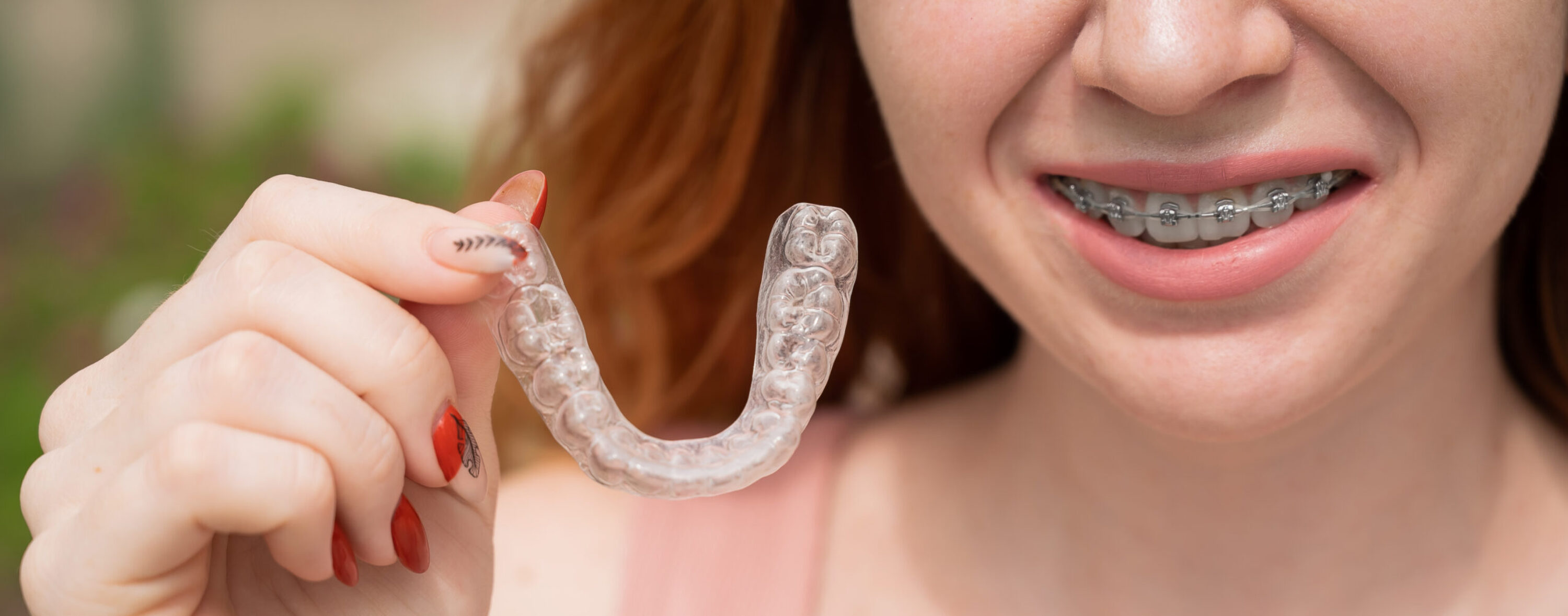
Removable Retainers
Relapse or shifting teeth is the primary and common problem with removable retainers. The problem isn’t always with the retainer itself but the fact that people lose them, fail to put them back on and don’t wear them as often as is recommended.
The biggest risk with removable retainers is that teeth can begin shifting back within weeks if you don’t wear them as prescribed. This can necessitate additional orthodontic treatment to correct the relapse. Your commitment to wearing removable retainers consistently is crucial to protecting your investment in orthodontic care.
The Fixed or Bonded Retainer
Permanent, fixed or bonded retainers are thin wire curved that fits the shape of your now-straighter teeth. Your teeth cannot move since the wire is bonded or glued to the inside of your teeth.
Bonded retainers are more often used on the lower teeth and are also known as lingual wire or bonded retainers. Your Orthodontist is the only one who should remove this type of retainer.
These fixed options eliminate the risk of non-compliance since they’re in place 24/7. This makes them ideal for patients concerned about remembering to wear a removable device, or for cases where teeth were significantly rotated or crowded before treatment.
The Hawley Retainer
Hawley retainers, also called wire retainers, are removable and made from acrylic shaped to the inside of your mouth to fit your teeth perfectly. Metal wires hold your teeth in place, preventing a relapse.
The advantages of the Hawley type of retainer include:
- They’re adjustable
- They’re a bit more durable than clear plastic retainers
- They can be repaired
- Upper and lower teeth close naturally
- The acrylic part comes in so many colours
However, Hawley retainers may affect your speech, and the wire might initially irritate cheek or lips, and they’re more noticeable.
The Clear Plastic Retainer
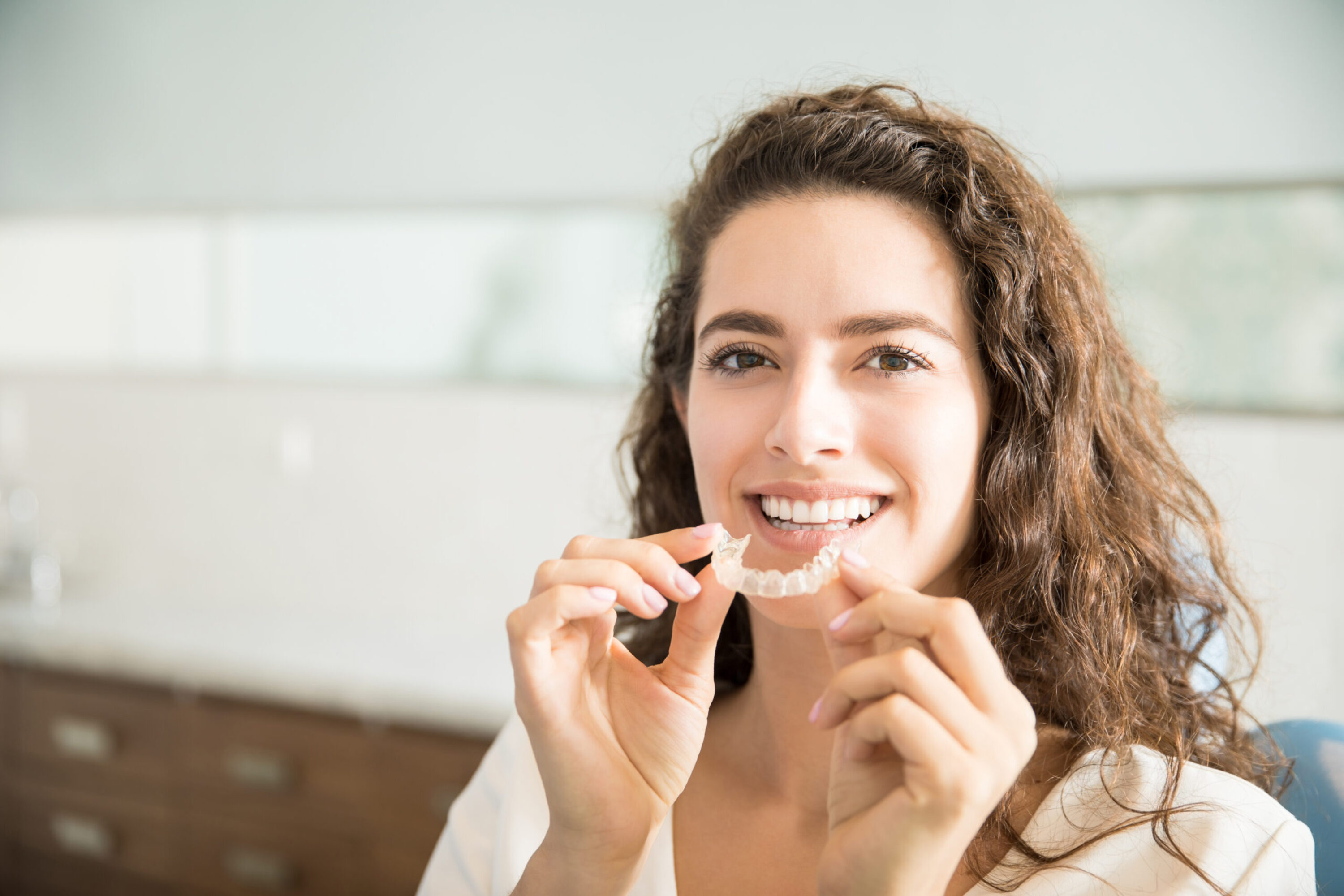
These clear retainers (also called moulded, thermoplastic or vacuum-formed retainers) are removable and shaped to fit the new position of your teeth. Making these retainers involves taking a digital scan of your newly straightened teeth. Clear plastic retainers have the following advantages:
- You’re more likely to wear it since it is almost invisible, which reduces the likelihood of a relapse.
- Many find them more comfortable than Hawley retainers.
- Clear retainers are less likely than Hawleys to affect your speech.
However, if you need a realignment, these can’t be adjusted or repaired; they can warp if exposed to heat, stain, trap liquids, and top and bottom teeth don’t touch naturally.
How Long Do Different Retainers Last?
Understanding the lifespan of each retainer type helps you plan for long-term maintenance and replacement costs.
Clear retainers typically need replacement every 6 to 12 months as the plastic weakens over time. The material can become brittle or discoloured with regular wear, and they may no longer fit as precisely as when first made. Daily wear naturally causes gradual breakdown of the thermoplastic material.
Hawley retainers last considerably longer, with an expected lifespan of 1 to 20 years when properly maintained. Because they can be adjusted or repaired by your orthodontist, these retainers offer excellent long-term value. The acrylic base is quite durable, and metal wires can be reshaped if minor shifts occur.
Bonded retainers can last indefinitely when maintained properly. Since they’re permanently attached to your teeth, they provide continuous retention without the risk of forgetting to wear them. However, plaque buildup around the wire requires careful daily cleaning with floss threaders to prevent gum disease. Regular dental check-ups ensure the bond remains secure.

Retainer Costs and Insurance Coverage
Budget is an important consideration when choosing your retainer type. Understanding the costs upfront helps you make an informed decision.
Clear retainers typically cost between $100 and $300 per tray in Australia. Since you’ll need replacements every 12 to 24 months as the plastic material gradually wears, factor ongoing costs into your long-term budget.
Hawley retainers range from $150 to $600 per arch, depending on the complexity and your orthodontist’s fees. The higher upfront cost is offset by their durability – with proper care, they can last for many years and can be adjusted or repaired rather than replaced entirely.
Bonded retainers cost between $250 and $600 for one arch. Though the initial investment is higher, they may prove more economical over time since they don’t require replacement under normal circumstances and provide continuous retention without the risk of forgetting to wear them.
Your orthodontist may bundle retainer costs into your overall treatment package. Many private health insurance plans in Australia provide partial coverage for orthodontic retainers, so check your policy details. Ask about the cost of replacements, repairs and any follow-up appointments when discussing your options.

Caring for Your Retainer
Proper maintenance extends the life of your retainer and ensures it continues to work effectively.
For removable retainers (both clear and Hawley types), clean them daily with a soft-bristled toothbrush and mild soap under cool or lukewarm water. Never use hot water, as this can warp the plastic or acrylic material. For Hawley retainers, soak them periodically in a denture cleaning solution to maintain freshness. Clear retainers benefit from a weekly soak in a retainer cleaning solution to remove buildup and prevent discolouration – just ensure the solution is suitable for thermoplastic material.
Always store removable retainers in their protective case when not wearing them. Keep them away from heat sources like hot car dashboards or windowsills. Pets are attracted to the scent of saliva on retainers, so store them safely out of reach. Never wrap them in tissues or napkins, as they’re easily mistaken for rubbish.
Bonded retainers require careful flossing around the wire using a floss threader or interdental brush. Thread the floss under the wire and gently clean between each tooth. This daily routine prevents plaque accumulation that can lead to decay or gum problems. Your dental hygienist can demonstrate the proper technique during your regular check-ups.
Common Questions About Retainers
How long will I need to wear my retainer?
Most patients wear retainers full-time for 3 to 6 months immediately after braces removal, then transition to night-time wear indefinitely. Your orthodontist will provide specific instructions based on your individual case and the complexity of your original treatment.
The phrase “indefinitely” might sound daunting, but remember that your teeth naturally shift throughout your life. Night-time wear becomes a simple habit that protects years of orthodontic work. Many patients continue wearing retainers several nights per week even years after treatment.
Can I adjust my retainer if it feels loose?
Only Hawley retainers can be adjusted by your orthodontist. If your Hawley retainer feels loose or doesn’t fit as snugly as before, book an appointment for an adjustment. The metal wires can be tightened to maintain proper retention.
Clear retainers cannot be modified or repaired. If a clear retainer feels loose, cracks, or no longer fits properly, it must be replaced. Contact your orthodontist promptly to arrange new impressions or scans. Continuing to wear an ill-fitting retainer provides inadequate retention.
What happens if I lose my retainer?
Contact The Orthodontic Place immediately if you lose your removable retainer. The sooner you get a replacement, the less likely your teeth will shift out of position. Depending on how long it’s been since your last appointment, new impressions or digital scans may be required to create an accurate replacement.
Don’t wait to see if you can find it. Even a few days without wearing your retainer can allow noticeable movement, particularly in the first year after treatment. We understand that accidents happen, and we’re here to help you get back on track quickly.
For more information on the types of retainers you can have after your braces are removed, contact The Orthodontic Place on 0411 748 146, email [email protected], or drop us a line on the website form.